
Recent international maritime trade restrictions and port compliance policies have highlighted the strategic importance of technological independence in global port operations.Growing Strategic Focus on Port Technology Autonomy。
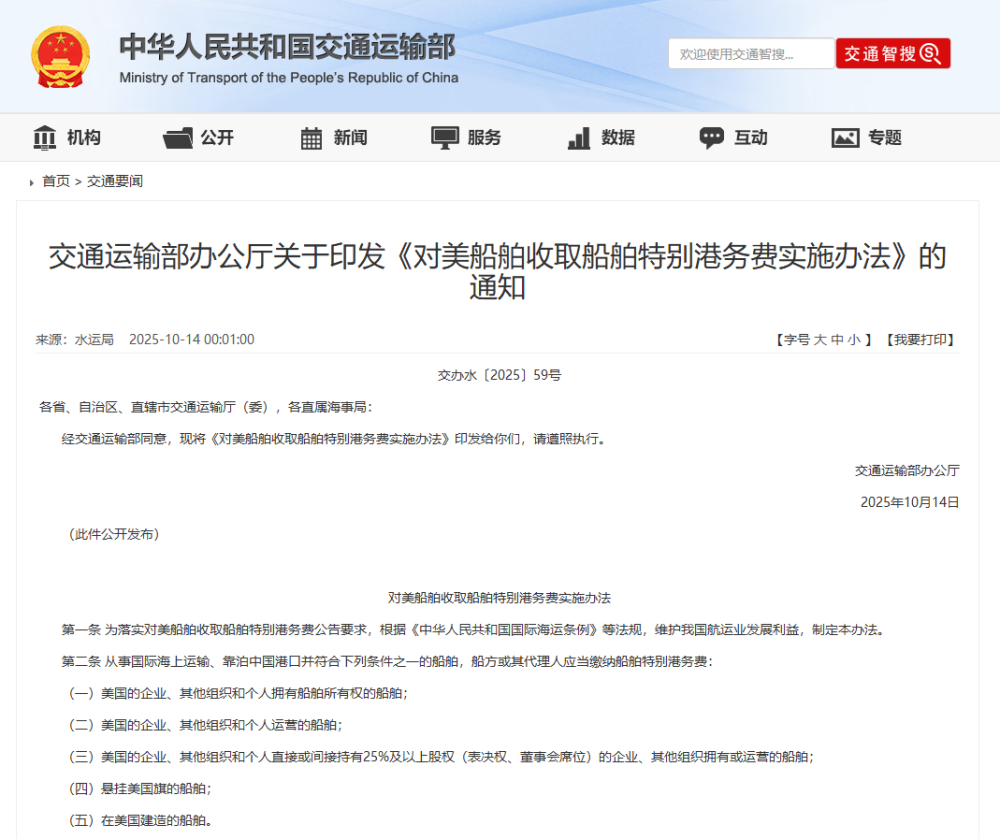
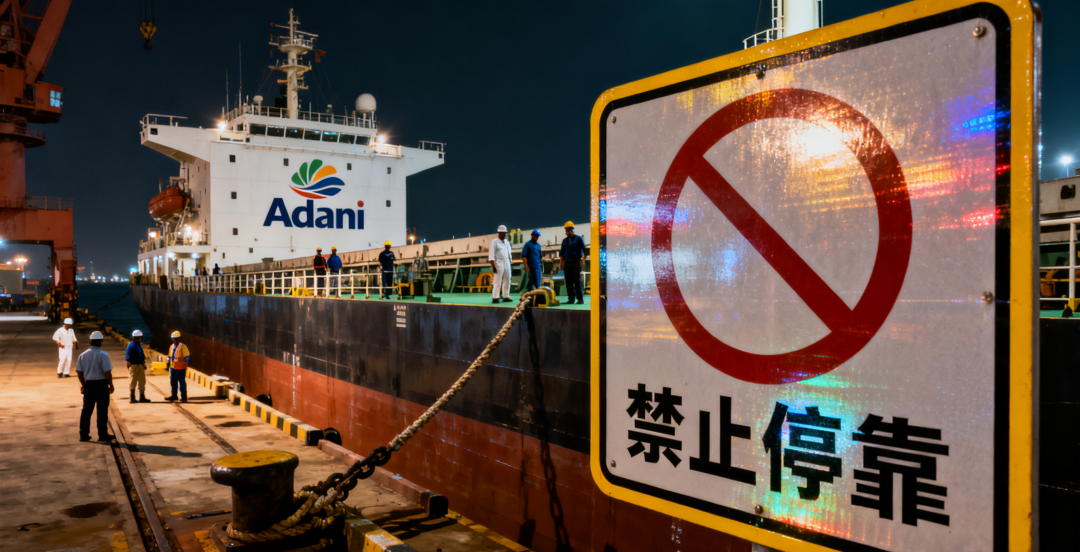
These developments point to a shared industry imperative: modern port operations require independent, resilient core technologies.Ports that rely heavily on imported automation systems and core sensors face supply chain and operational continuity risks.
Supply Chain Risks of Imported Sensor Reliance
As critical hubs of global trade, ports require reliable automation systems, intelligent sensing hardware, and management software.
Over-reliance on single-source imports introduces supply risks: potential supply disruptions on one hand, and limited operational flexibility on the other.
Industry experts note that smart port construction must be built on a self-reliant, controllable technical foundation.
Path to Autonomy: Breakthroughs from Operating Systems to Sensing Hardware
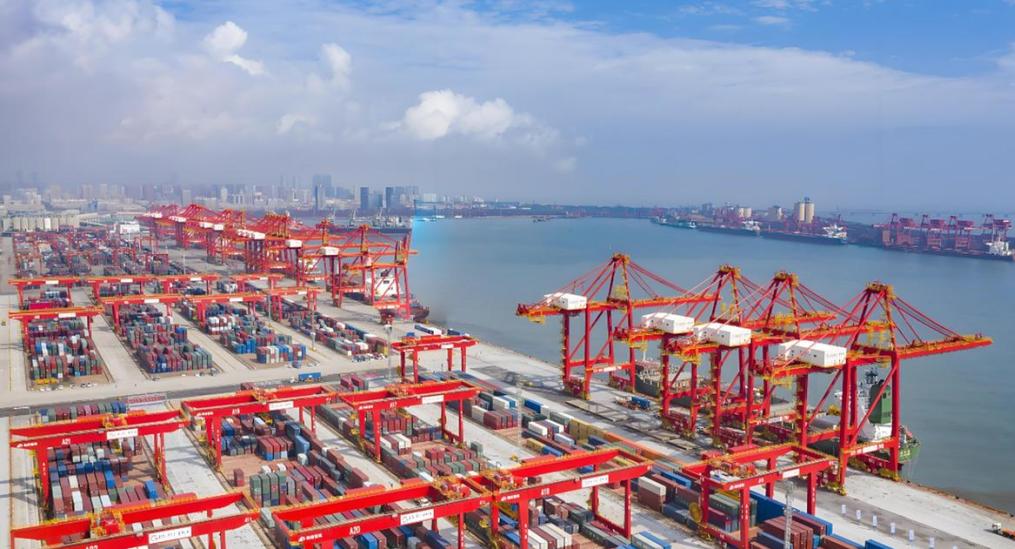
Addressing this challenge, China's port sector has achieved comprehensive localization breakthroughs. As a flagship national water transport project, Qingdao Port Automated Terminal achieved full autonomy across both software platforms and hardware equipment: deploying a proprietary integrated terminal operating and equipment scheduling system alongside 100% domestic hardware, setting world records for automated container handling efficiency thirteen times.

Kyle Optics LiDAR: The Domestic Solution for Smart Port Sensing
As a core component of Qingdao Port's intelligent sensing system featured on CCTV, Kyle Optics industrial LiDAR — backed by 100% proprietary intellectual property and proven performance — has become the preferred choice for domestic port automation.
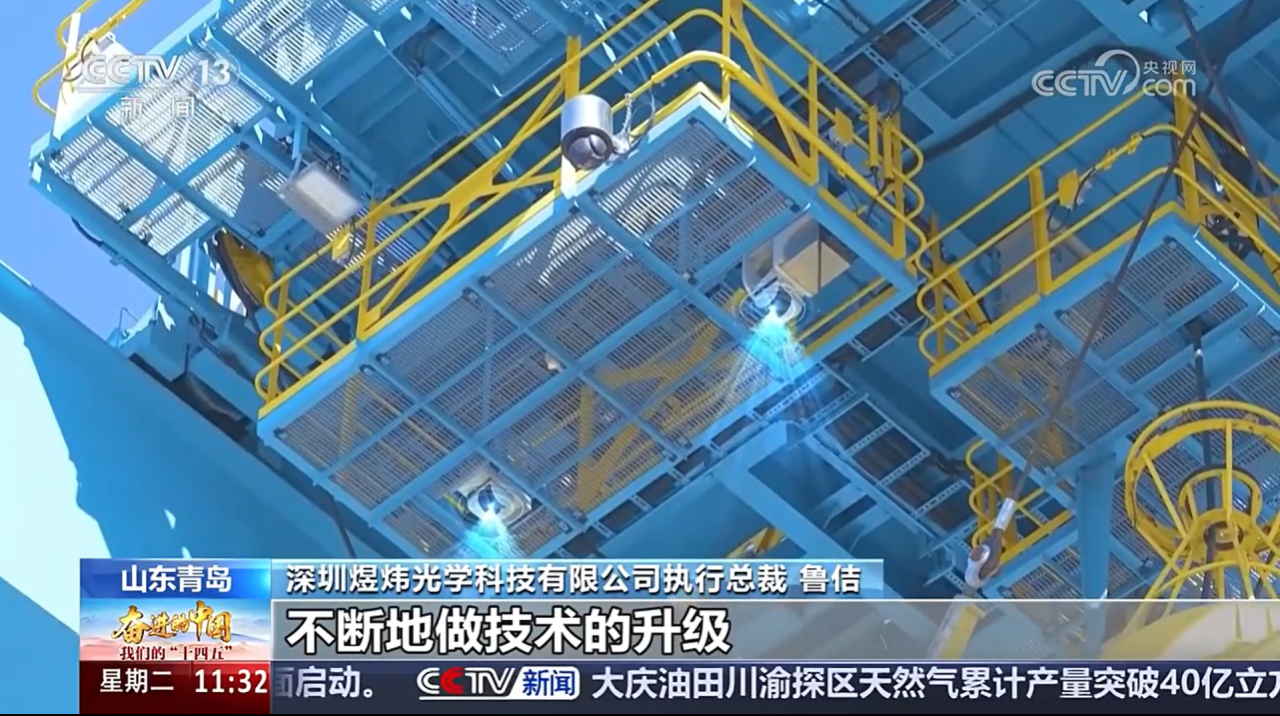
Kyle Optics LiDAR products offer three core advantages:
High-Precision Environmental Sensing: Multi-beam laser scanning constructs high-precision 3D models of complex port environments for reliable navigation and obstacle avoidance
Rugged Environmental Adaptability: Specifically engineered for high-salinity, high-humidity coastal environments to ensure 24/7 all-weather stability
Full Proprietary Intellectual Property: End-to-end independent innovation from chip design to algorithms, ensuring supply chain security
Today, intelligent systems equipped with Kyle Optics LiDAR are deployed at scale across major domestic hub ports as the sensing backbone of terminal automation.
From operating software and management platforms to core sensing components, full-chain autonomy safeguards long-term port operational resilience.
Intelligent sensing systems built on Kyle Optics domestic industrial LiDAR continue to provide a rock-solid foundation for smart port development.